


What’s the Difference Between Hardwood and Softwood Fence Palings?
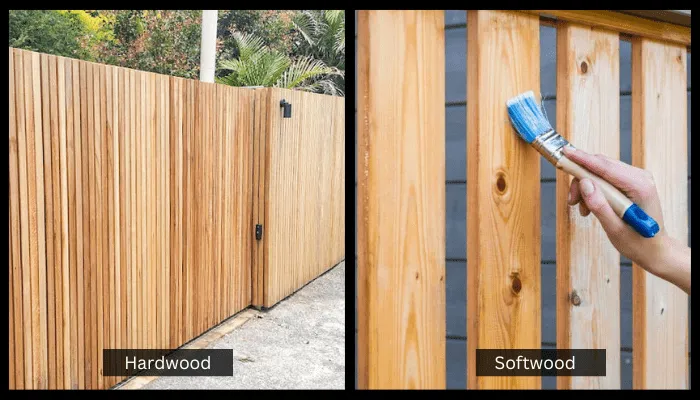
Hardwood and softwood palings differ mainly in density and structure. This affects the strength and durability of your fence.
The Key Difference: Density and Lasting Strength
Hardwood timber comes from slow growing deciduous trees and has really tight, dense grain. That density gives you serious impact resistance and natural strength.
Softwood palings come from fast growing pine trees and have a lighter wood style that's less dense. Pine's easier to work with and install, but it needs chemical treatment to survive outdoors in our weather conditions.
Hardwood: The Premium Choice With Natural Resistance
Hardwood is the top choice for Australian timber fencing. It resists rot and insects naturally, needing no extra treatment.
The key advantages are obvious when you see how long hardwood fences last.
Spotted gum and ironbark are brilliant for hardwood fence palings because they're tough as nails and termites won't touch them, making them a popular choice for Australian homes.
This durable timber handles whatever nature throws at it, making hardwood posts and rails perfect when you need real strength.
Treated Pine: The Cost Effective Fence Option
Treated pine palings give you a cost effective fence without breaking the bank. Pine fencing is everywhere because it's cheap, light, and easy to install, making it popular when budgets are tight.
The catch with treated pine is it needs proper treatment to Australian standards (H3 or H4) to last outside. The chemicals shield the timber from decay, rot, and insects.
They transform basic pine into a material that can thrive in your garden. Without treatment, pine palings won't last long at all.
Durability and Longevity: Which Fence Palings Provide a Long Lived Fence?
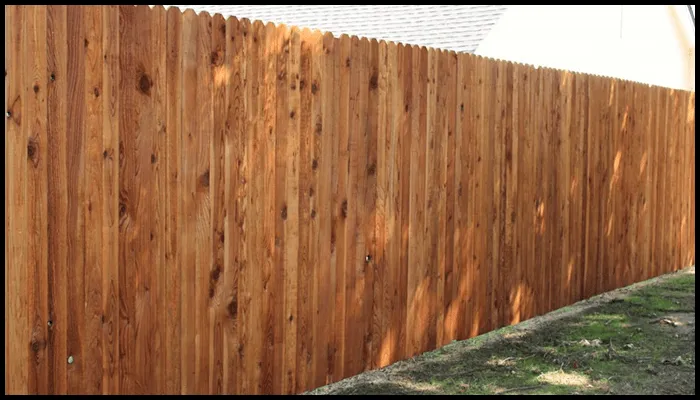
If you're building a wooden fence, how long it lasts really matters when you work out what you're getting for your money.
Expected Lifespan and Resilience to Rot and Insect Damage
Hardwood palings give you a proper long lived fence, usually 20 to 30 years or more with proper maintenance. Softwood palings with treatment typically last 15 to 25 years at best.
Hardwood's durable because that's just how it grows. The dense wood and natural oils mean it's naturally resistant to rot and termites without any help.
Treated pine needs those chemicals to survive. Once the proper treatment wears off or gets damaged, you're left with basic pine that rots quickly.
That's why any timber near the ground needs protection, or it'll be gone in no time. Pests and insects love untreated wood.
Stability in Harsh Weather Conditions
Hardwood handles our harsh weather conditions way better than pine. The tight grain doesn't have many knots, so hardwood rails and posts don't warp or twist like treated pine does.
Weather changes barely affect it. Spotted gum or ironbark fencing stays straight and strong through storms and high winds that would wreck pine fencing.
If you're near the coast, hardwood's your best timber because salt air and moisture don't bother it. The natural resistance to decay means less maintenance and better security for your property over time.
Economic Analysis: Upfront Costs Versus Total Fencing Value (ROI)
Comparing hardwood vs softwood fence palings financially means looking beyond what you pay at the timber yard.
Comparative Material Cost: Higher Upfront Cost for Hardwood
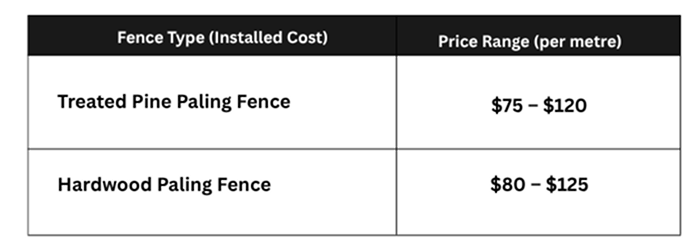
Hardwood palings cost more upfront than treated pine palings every time. You're looking at about 22% extra for hardwood fencing timber at purchase. That higher price tag puts some people off.
But here's where it gets interesting. Once you factor in installation, the gap shrinks:
Installation Complexity: Why Hardwood is Harder to Install
Hardwood's density makes it tough to work with. You have to predrill every single hole or the durable timber splits when you put screws in.
That means your fencing project takes longer and needs someone who knows what they're doing.
Pine's a lighter wood style that you can just nail straight into, so installation's quicker and cheaper. Many homeowners pick pine fencing because their builder can bang it up fast without special tools.
The Maintenance Factor: Hardwood Requires Less Maintenance
This is where hardwood starts looking good long term. Hardwood timber needs less maintenance to stay strong compared to treated pine.
You might oil it every few years to keep those unique grain patterns looking nice, but that's about it for proper maintenance. Treated pine's different.
You need regular maintenance to protect the chemical treatment, not just for looks. Skip the resealing and your cost effective fence starts rotting from the inside.
The treatment fails, water gets in, and suddenly your cheap fence needs replacing. Hardwood posts and rails just keep going with minimal fuss, giving you better value over time.
Aesthetics and the Environmental Impact
Visual Appeal and Unique Grain Patterns
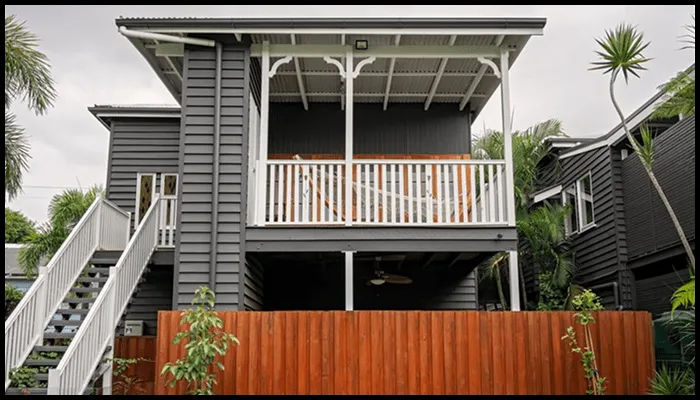
Hardwood looks brilliant and that's why it's highly sought after for its visual appeal.
Spotted gum gives you these amazing colour variations and unique grain patterns that add real rustic charm to your property.
Ironbark's got that deep, rich look people love. Pine palings are lighter and more uniform, which works great if you want to paint them or stain them a specific colour for your overall aesthetic.
Leave either timber type alone and they'll weather to that nice silvery grey that many homeowners actually prefer.
Cypress Pine: The Naturally Resistant Softwood Alternative
Cypress pine's an interesting option if you care about the environmental impact of your fencing materials. It's naturally resistant to termites and rot.
It doesn't need chemicals, making it ideal for eco-friendly fencing. You get natural resistance to decay like hardwood but it's actually a softwood.
No chemical treatment needed at all, so it's the best wood for people who want durability without the nasty stuff.
The Chemical Burden: Disposal of Treated Pine
Here's what nobody tells you about treated pine. The environmental impact is massive because of the CCA chemicals they use. You can't burn offcuts in NSW, it's illegal and releases toxic fumes.
Getting rid of treated timber waste means bagging up sawdust and taking it to special landfill sites. That's extra hassle and cost people forget about when they see those cheap upfront costs for pine fencing.
Making the Informed Decision: Which is the Best Timber for Your Fencing Needs?
The right timber for your fencing requirements comes down to what you can spend and how long you need it to last.
Hybrid Solutions: Maximising Durability of Hardwood Posts and Hardwood Rails
Smart tradies often suggest mixing materials to get the best of both worlds while staying cost effective. Your hardwood posts and hardwood rails do all the heavy lifting in a paling fence, providing security and holding everything up.
Put durable hardwood posts in the ground (or H4 treated pine at minimum), then use cheaper treated pine palings for the bits you see. This way your foundation outlasts everything else.
It's a clever use of fencing materials that meets tough fencing requirements without blowing the budget. The bottom line? Yes, hardwood costs more upfront.
But when you factor in how it's naturally resistant to everything, needs less maintenance, and lasts 30 years, it works out cheaper per year.
For a genuinely long lived fence with proper lasting strength, hardwood's still the premium choice. Discover the key differences between hardwood and softwood fence palings today.
Frequently Asked Questions
Is Hardwood Fencing Worth the Higher Price Tag?
Absolutely. Many homeowners find the higher price tag worth it for hardwood's key advantages. You get brilliant durability, natural resistance to rot and insects, plus minimal maintenance. Hardwood delivers a long lived fence with lasting strength over 30 years, so you're not replacing it every decade like cheaper options.
How Long Do Treated Pine Fence Palings Last Compared to Hardwood?
Treated pine palings give you 15 to 25 years if they get proper treatment and regular maintenance. Hardwood palings last 20 to 30 years or more without much fuss at all.
Does Treated Pine Wood Warp Over Time?
Yes, pine warps more than hardwood because it's softer with more knots inside. Dense hardwood stays straight in weather changes. In contrast, pine can twist and split, especially in harsh conditions.
Which Timber is Better for Coastal Areas?
Hardwood timber like ironbark or spotted gum is the best wood near the ocean. The density resists salt air and moisture well. It also provides strong security and durability in tough weather, which is why many homeowners compare Hardwood vs Softwood Fence Palings before making a final decision.