

Shop Now
- BUILDING HARDWARE
- CEMENT MIXES
-
COLORBOND FENCING
- ACCESSORIES
- CAPS
- COVERSTRIPS
- GATE STYLE CAP
- GATE STYLES 1645MM
- GATE STYLES 885MM
- GATES MINISCREEN
- INFILLS MINISCREEN
- INFILLS NEETASCREEN
- INFILLS SMARTASCREEN
- LATTICE
- LATTICE CLIPS
- PANEL POSTS
- PICKET PLUS
- POST EXTENSION
- POSTS 50X50
- POSTS 60X60
- POSTS 65X65
- RAILS
- RAILS CENTRE MINISCREEN
- RAILS MINISCREEN
- SCREWS
- SLAT LATTICE
- SPANSCREEN
- TOUCH UP
- DECKING/SCREENING
- DESIGN PINE
- FENCING
- GATES
- GENERAL HARDWARE
- HARDWOOD
- LASERLITE
- LOGS
- LVL'S
- MOULDINGS
- PINE BATTENS
- PINE ROUGH SAWN
- PLY
- PRESERVATIVES
- RH TREATED PINE
- SEALANTS & SILICONES
- SLEEPERS
- TREATED PINE PICKETS
- TREATED PINE RS
- WEATHERTEX

How to Maintain Timber Privacy Screens for Long-Lasting Use
Table of Contents
- Introduction
- Picking the Right Timber for Easier Maintenance
- How Your Climate Zone Changes Timber Screen Maintenance
- Timber Screen Finishes That Actually Work
- Common Timber Privacy Screen Problems and Fixes
- When to Call a Professional
- The Bottom Line
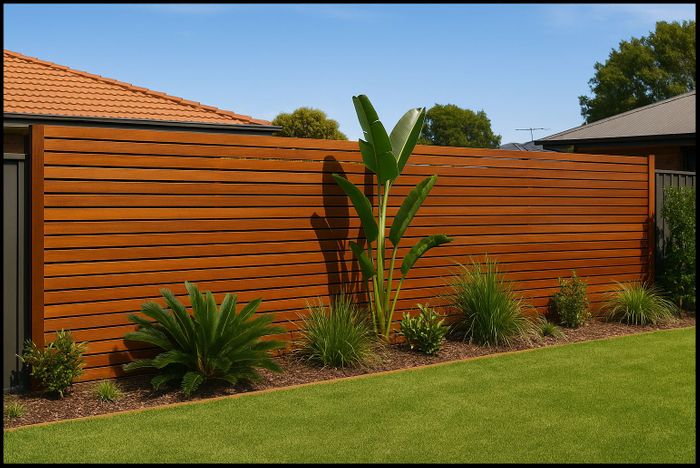
A good timber privacy screen can last 25 to over 50 years with proper care.
The lifespan of a screen can vary greatly. A screen might last ten years, while another can last fifty. This difference comes down to three main factors:
- Selecting the right timber for your climate.
- Regularly applying protective finishes.
- Addressing moisture problems before they escalate.
Australian conditions are tough on timber. We have some of the highest UV levels in the world. Termites are common across most of the mainland. The weather varies from tropical monsoons in the north to scorching heat inland. Your maintenance approach needs to match where you live.
Picking the right timber makes maintenance easier
The timber you choose sets the tone for how much work you'll be doing over the years.
Merbau is one of Australia's most popular choices for privacy screens. It looks great with that rich reddish-brown colour and handles moisture well. The catch is that it has high tannin content, which means it can stain nearby concrete and tiles when it gets wet. You'll need to re-oil merbau every 6 to 12 months to keep the colour looking good. Skip the oiling and it turns silver-grey, though it stays structurally sound. Expect to pay around $60 to $90 per square metre.
Spotted gum is a lower-maintenance alternative. This Australian native has less tannin than merbau. So, you’ll only need to oil it once a year instead of twice a year. It's also more dimensionally stable, meaning less warping and twisting over time. You'll pay more at first, around $100 to $120 per square metre. But you'll save on ongoing maintenance costs. With proper care, spotted gum can last 50 to 100 years.
Treated pine is the budget option at $30 to $50 per square metre. It needs H3 treatment for above-ground screens and H4 for posts going into the ground. The lower price means you’ll need to recoat more often, usually every one to two years.
Your climate zone changes everything
A finish that lasts two years in Melbourne may only last six months in coastal Cairns. Where you live determines how often you'll be maintaining your screen.
In tropical areas like north Queensland and the Top End, the wet season brings high humidity. This creates ideal conditions for mould and fungal decay. You might need to reapply moisture-resistant coatings every three to six months. Book your termite inspections before the wet season hits.
In the temperate zones of Sydney, Melbourne, Perth, and Adelaide, you face changes in moisture and UV exposure with the seasons. Reapplying finish every 12 to 24 months usually does the job. Spring and early autumn are the best times to apply. Aim for temperatures between 15 and 30 degrees. Also, keep humidity below 70 percent.
Coastal areas within a kilometer of the ocean get salt spray. This spray keeps moisture on the timber surface. Rinse that salt off regularly and reapply penetrating oils every 6 to 12 months. Use marine-grade 316 stainless steel fasteners. Standard galvanized hardware rusts quickly in salty air.
Inland arid regions face extreme UV and big temperature swings between day and night. Timber expands and contracts every day. If unprotected, it can crack within 6 to 12 months. Pigmented coatings work best here because clear finishes only offer temporary UV protection.
Products that actually work
You've got two main options: oil-based or water-based finishes.
Oil-based penetrating products go deep into the wood. They protect from the inside out. They won't peel, flake or crack, which makes recoating simple. Just clean the surface and apply another coat without stripping the old finish first. The downside is they need reapplication every 6 to 12 months. Cutek CD50 ($120 to $150 for 4 liters) is the pro standard. It has self-healing properties, so scratches are less visible.
Water-based products dry quickly and last longer between uses, usually 12 to 24 months. The catch is that they create a surface film. If you skip maintenance, it can peel or crack. This might mean you have to strip down to bare timber to start over.
For premium products with two coats, a 10 square metre privacy screen costs $50 to $90 in materials each year. This is about $5 to $9 per square metre per application. Regular maintenance costs between $1,500 and $3,000 or more. So, it’s clear that maintaining regularly is more economical.
Dealing with common problems
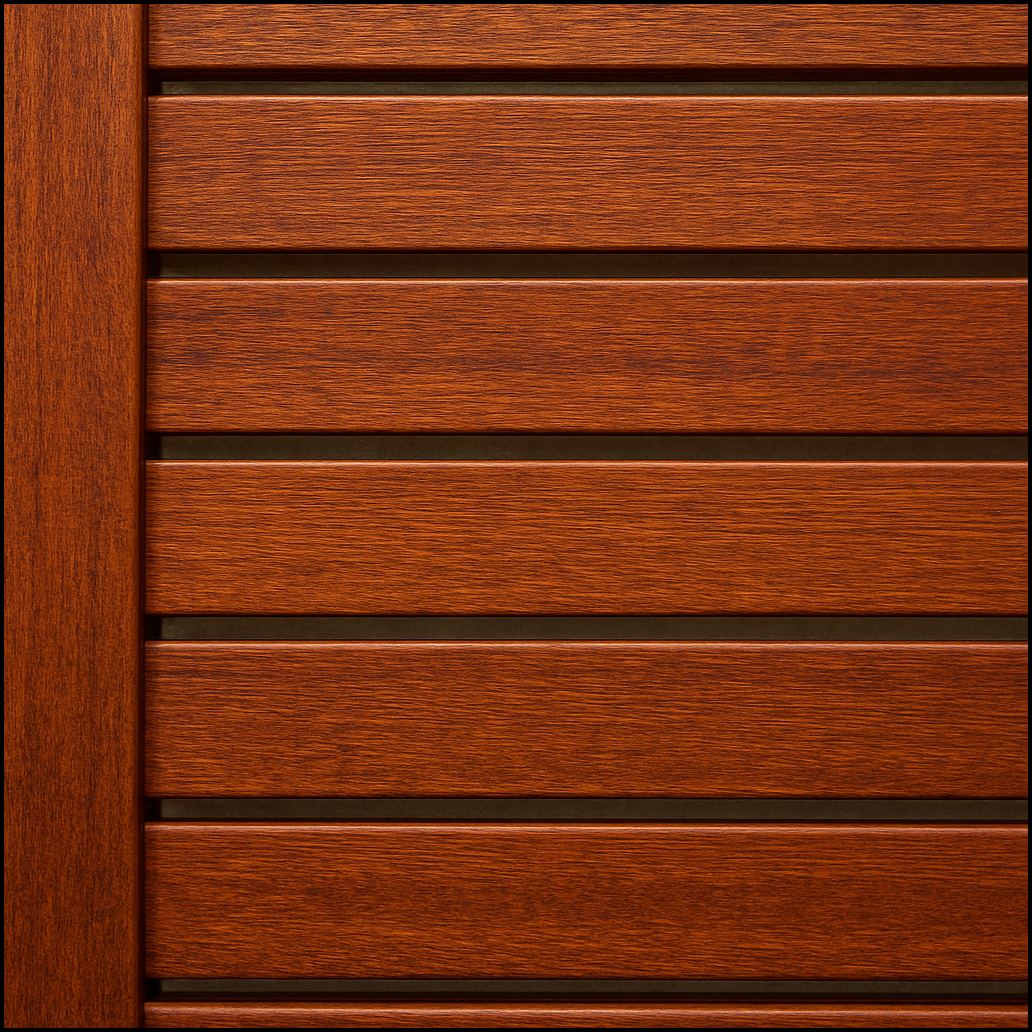
Weathering and greying occur in all unprotected timber because UV rays break down the surface. You can restore grey timber using an oxalic acid deck cleaner. Then, pressure wash it and let it dry completely. After that, apply oil.
Splitting and cracking comes from rapid moisture changes and UV damage. Seal all cut ends with end-grain sealer during installation. End grain absorbs 10 to 15 times more moisture than face grain. Minor cracks can be filled with exterior wood filler.
Mould shows up as dark spots with a musty smell.
- Use a specialized mold killer.
- Scrub it thoroughly.
- Pressure wash it carefully.
- Let it dry completely.
- Then, apply a protective coating.
Termite damage is the big one. Average repair costs range from $10,000 to $30,000. Usually, home insurance won't cover these expenses.
High-risk zones are:
- All of Queensland.
- The Northern Territory.
- Western Australia, from Perth to Bunbury.
- Western Sydney
Annual inspections cost $250 to $500 and are essential in these areas.
When to call in the professionals
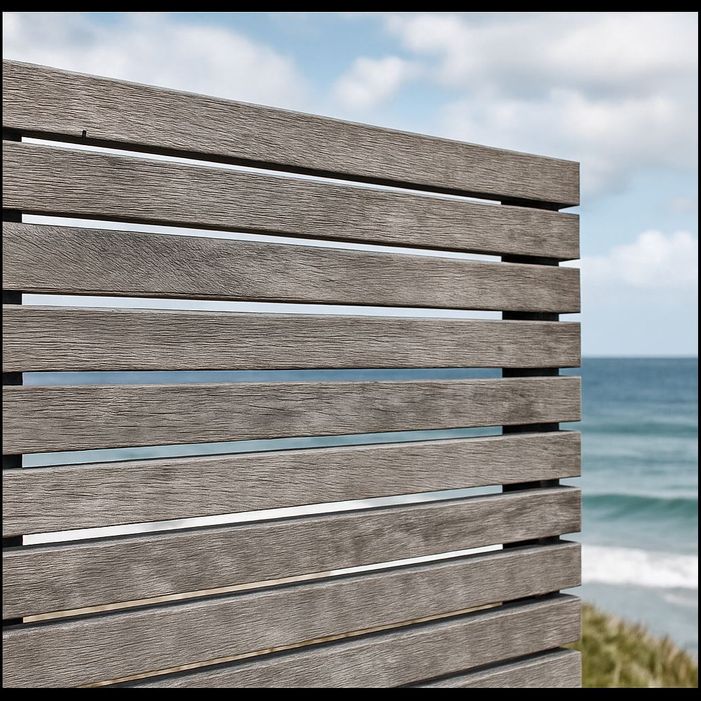
Most routine maintenance suits confident DIYers. Sweep weekly, hose monthly, deep clean annually with deck cleaner, and apply oils and finishes. These tasks are all manageable.
Call the experts for structural problems. This includes:
- Failing posts.
- Extensive termite damage.
- Severe warping across multiple boards.
- Any safety hazards.
Don't hesitate to reach out!
Large-scale restoration over 40 square metres usually warrants professional help too. You can expect to pay between $55 and $75 per square metre. This covers full restoration, which includes sanding, cleaning, and oiling.
The bottom line
Spending $200 to $600 each year on maintenance saves you over $10,000 in replacement costs. Most Australian homeowners in temperate zones need to deep clean and re-oil every 12 to 18 months.
Prioritise termite protection if you're in a high-risk zone. Address moisture issues right away. Fungal decay, not UV exposure, damages structural integrity. UV just causes cosmetic greying.
Get these basics right and your timber privacy screen will serve you well for decades.
Frequently Asked Questions
How long does a timber privacy screen really last?
With proper maintenance, a quality timber privacy screen can last anywhere from 25 to 50 years or more. Timber choice, climate, and regular upkeep make the biggest difference.
How often do I need to oil my timber privacy screen?
Most homes in temperate Australian climates need oiling every 12 to 18 months. In coastal or tropical areas, it can be as often as every 6 to 12 months.
What happens if I don’t maintain my timber screen?
Structurally, the timber may still last, but it will grey, dry out, and crack faster. Skipping maintenance also increases the risk of moisture damage and mould.
Is timber maintenance expensive?
Not compared to replacement. Expect to spend around $200 to $600 per year, which can save thousands in replacement costs over time.
Which timber is the lowest maintenance option?
Spotted gum is one of the lowest maintenance Australian hardwoods. It’s stable, durable, and needs less frequent oiling than merbau.
Can I let my timber screen go grey naturally?
Yes. Many people like the silver-grey look. Just remember that while greying is cosmetic, oiling still helps protect against moisture and cracking.
Is treated pine a good option for privacy screens?
Treated pine is budget-friendly and works well if it’s correctly treated (H3 or H4) and maintained regularly. It will need more frequent recoating than hardwoods.
Do coastal areas need special care?
Yes. Salt spray holds moisture against the timber. Regular rinsing, more frequent oiling, and marine-grade stainless steel fixings are essential near the coast.
Can I maintain a timber privacy screen myself?
Absolutely. Most homeowners can handle cleaning and oiling. Structural issues, termite damage, or large restorations are best left to professionals.
Are termites really that big of a risk?
In many parts of Australia, yes. Annual termite inspections are essential in high-risk zones and are far cheaper than repair costs.